Why We Travel
How curiosity, retail stores, and family exploration slowly became the same story
We just moved into our new neighborhood, we have started meeting new people the normal way— going to church, standing in driveways while kids rode bikes down the street or getting into hour long conversations when they brought over cookies to welcome us.
At some point in the conversation, travel usually comes up.
We might mention Japan. Or the Amazon rainforest. Or a wildlife trip in South Africa.
And almost every time someone pauses and asks the same question.
“Wait… what do you actually do for work?”
It’s a fair question.
From the outside, our life can look a little unusual. We run a company. We travel quite a bit. We photograph places around the world and write about what we learn along the way.
It can seem like those things don’t have much to do with each other.
But they actually do.
Over time they’ve slowly woven together into the same story.
The work that started it all
At the center of everything is our company, Decorworx.
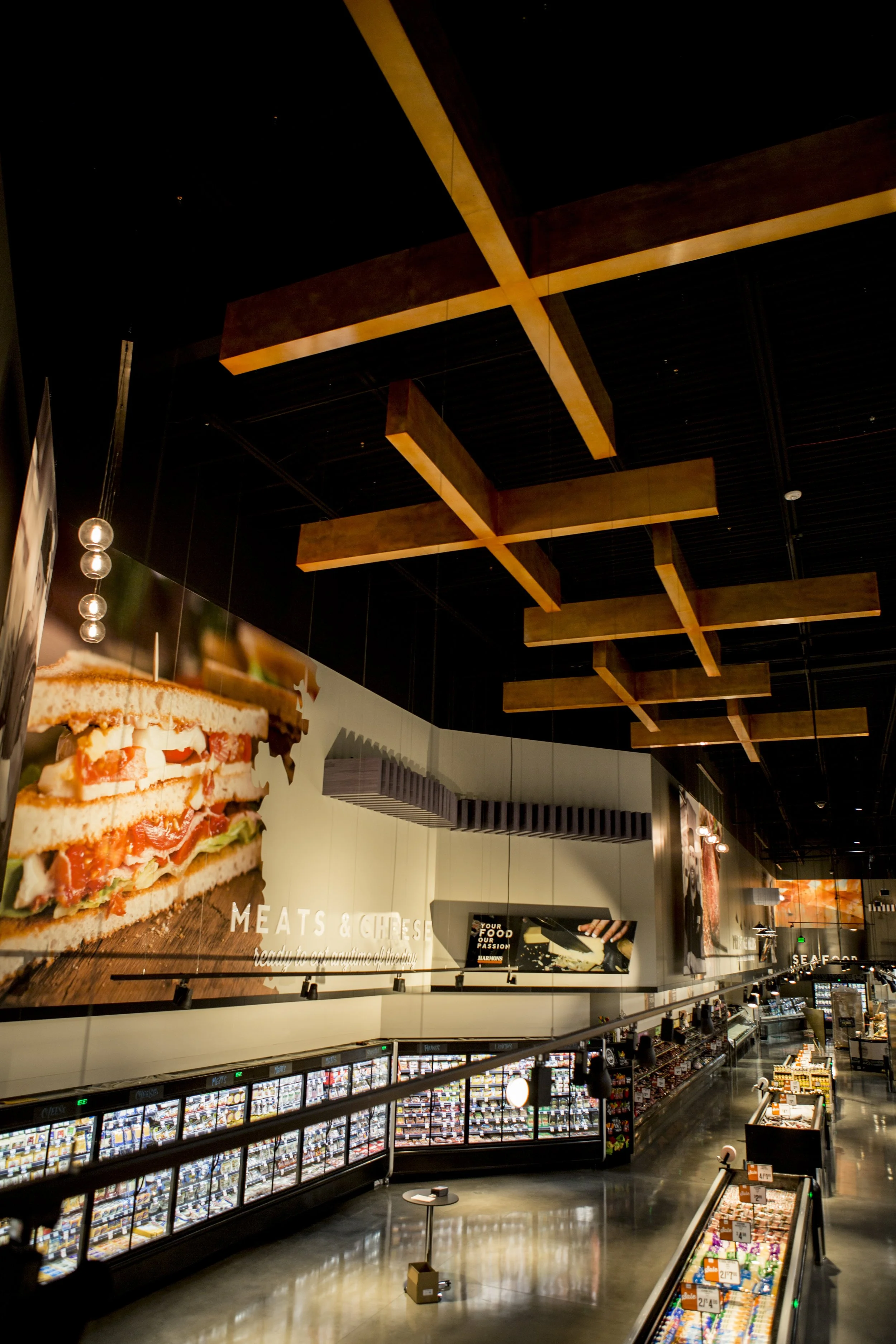
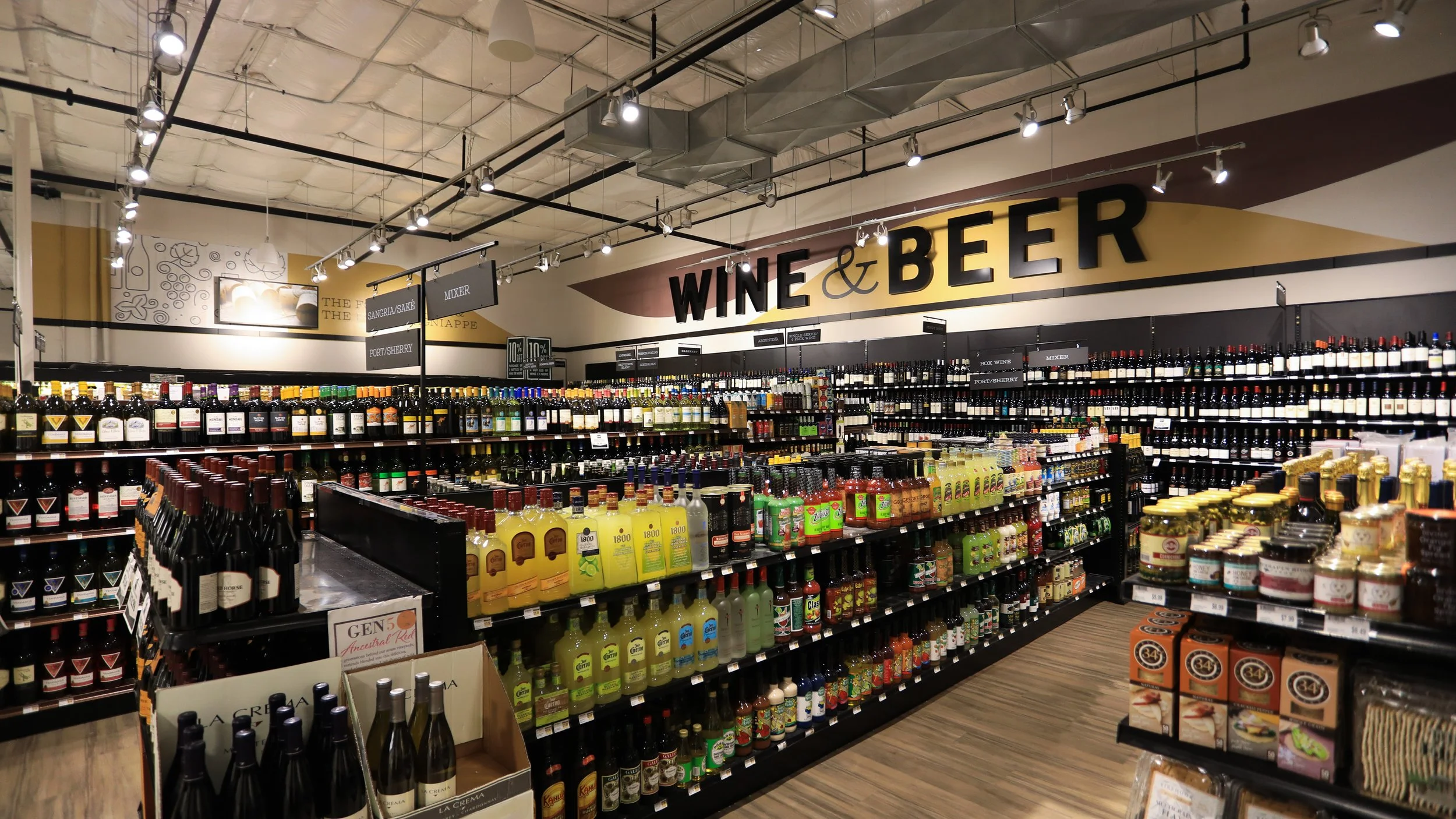
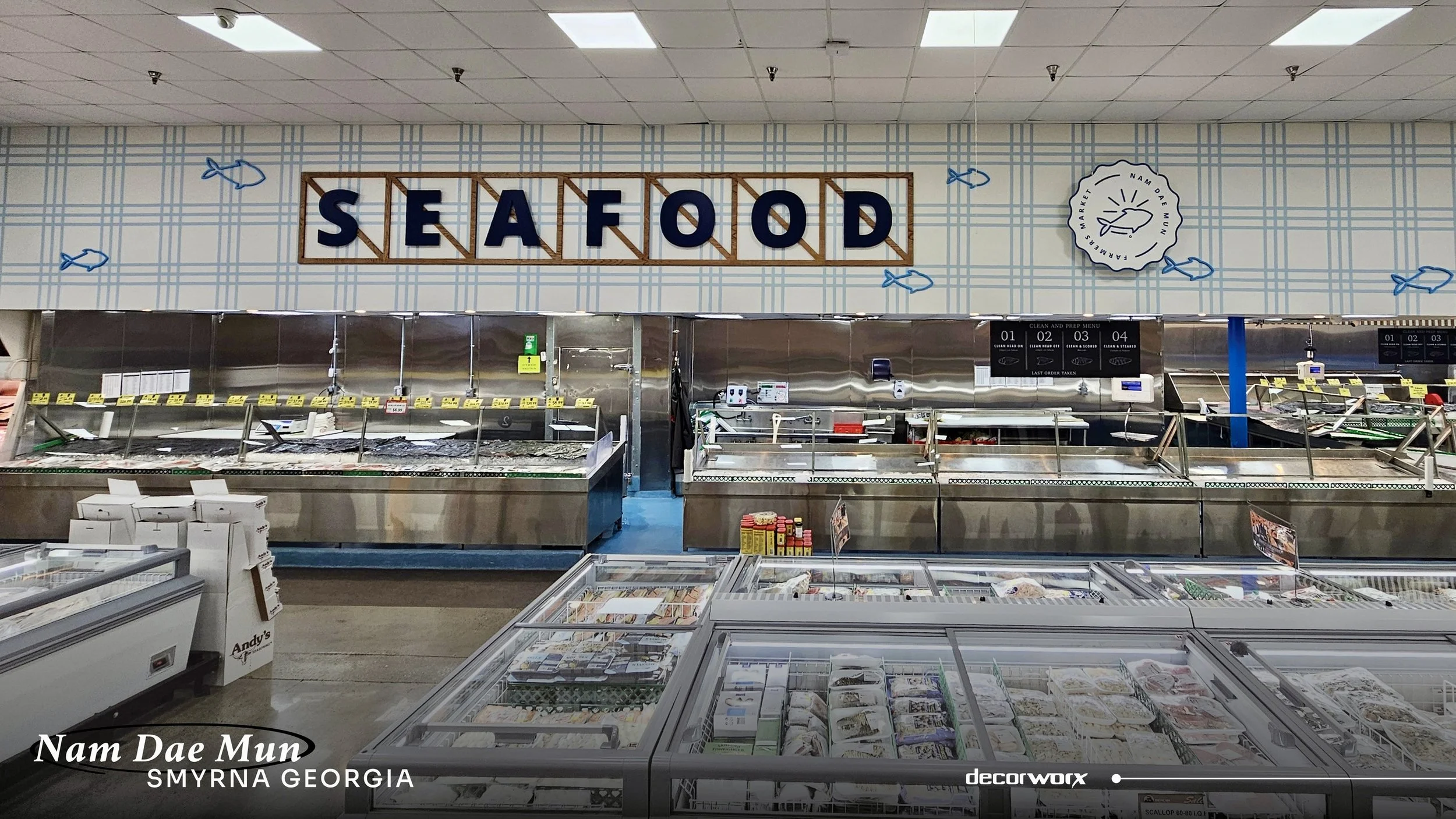
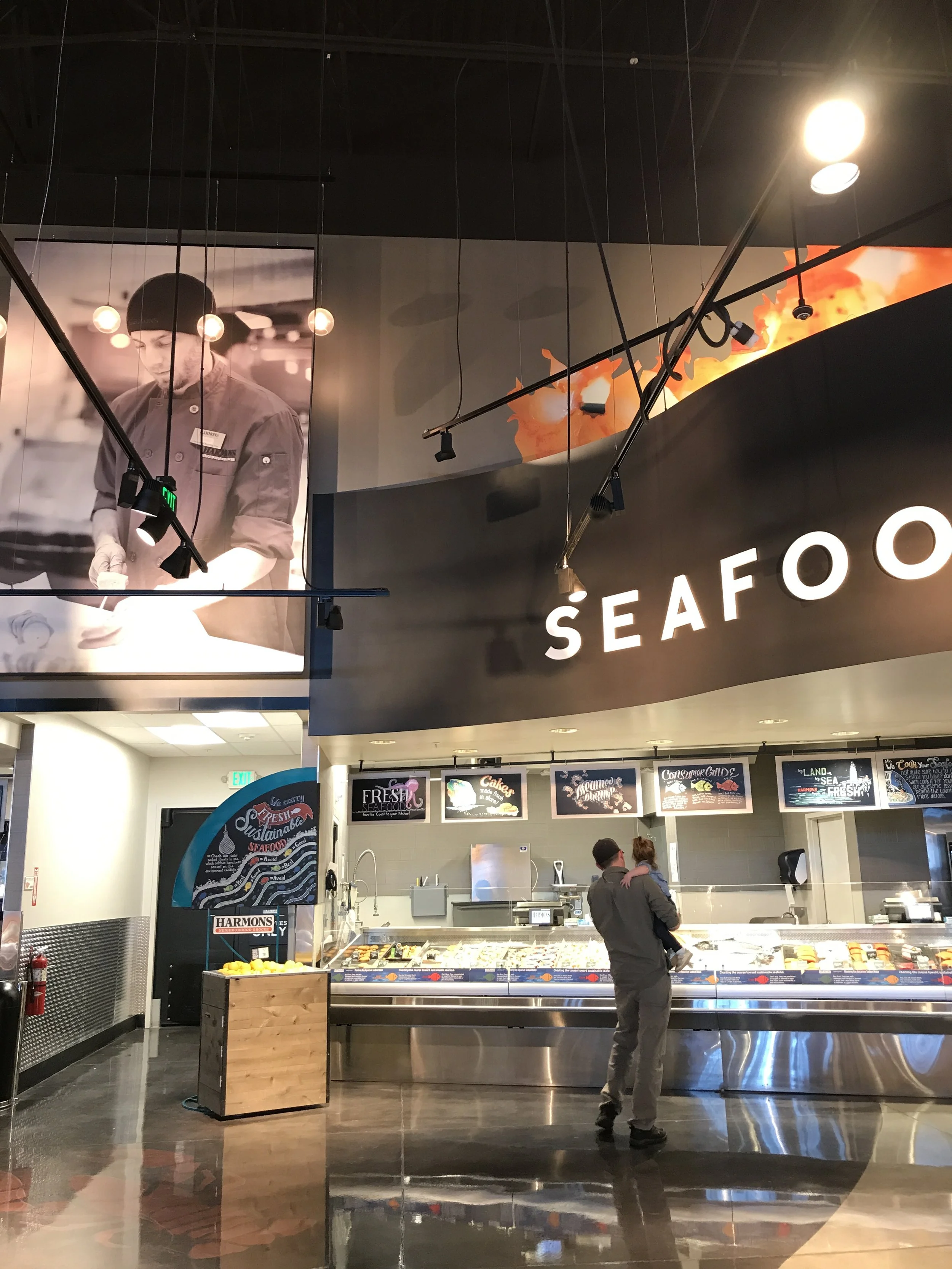
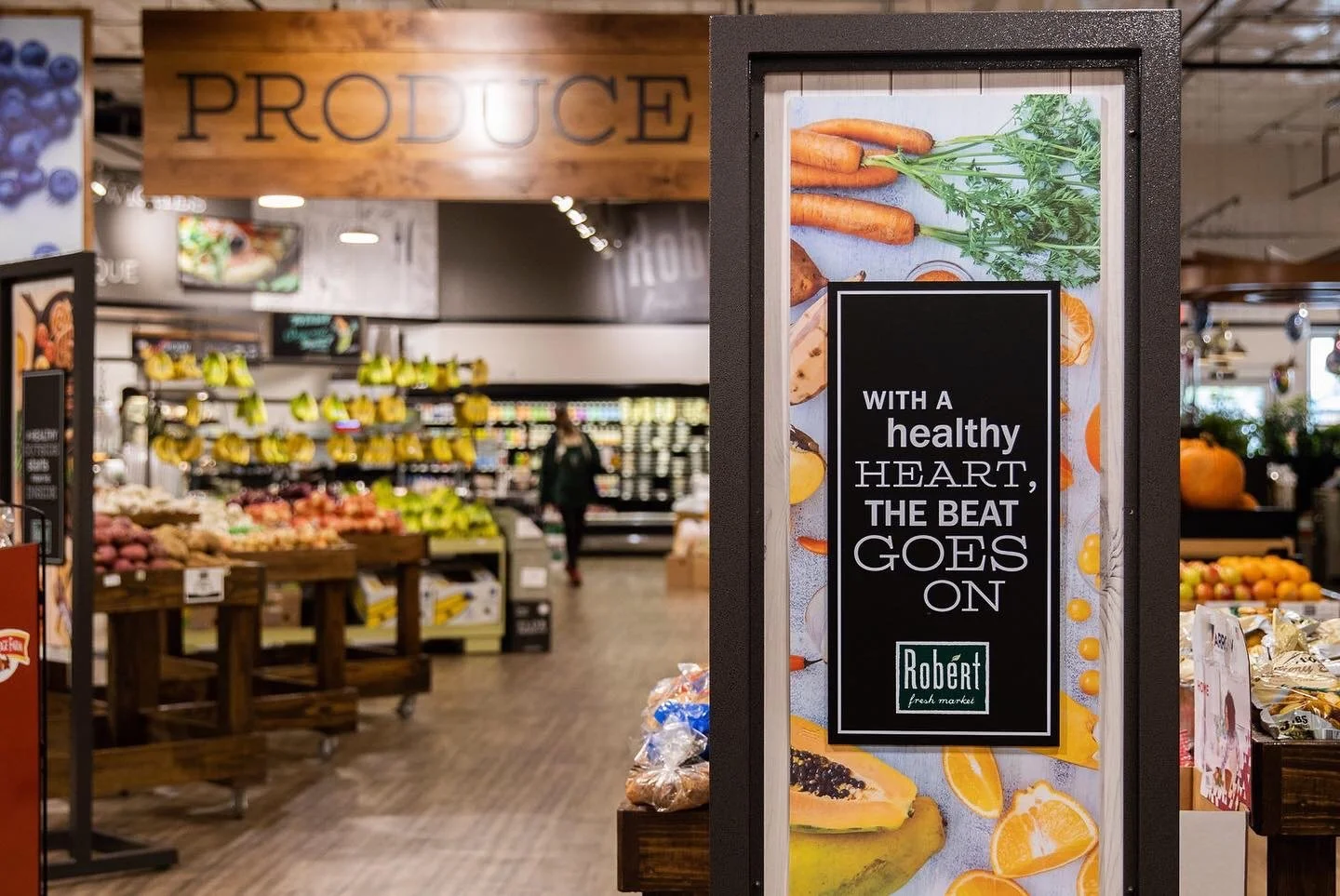
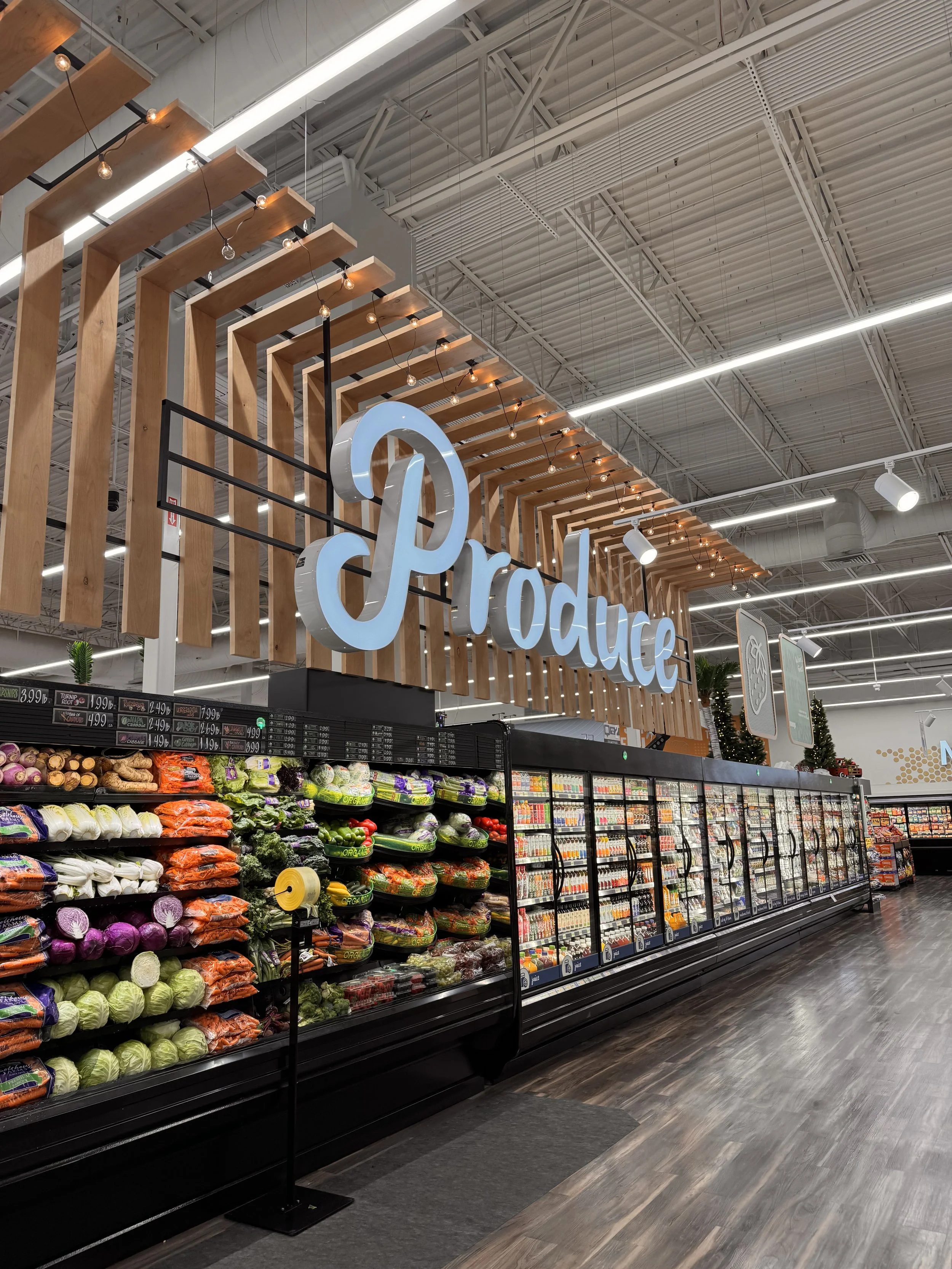
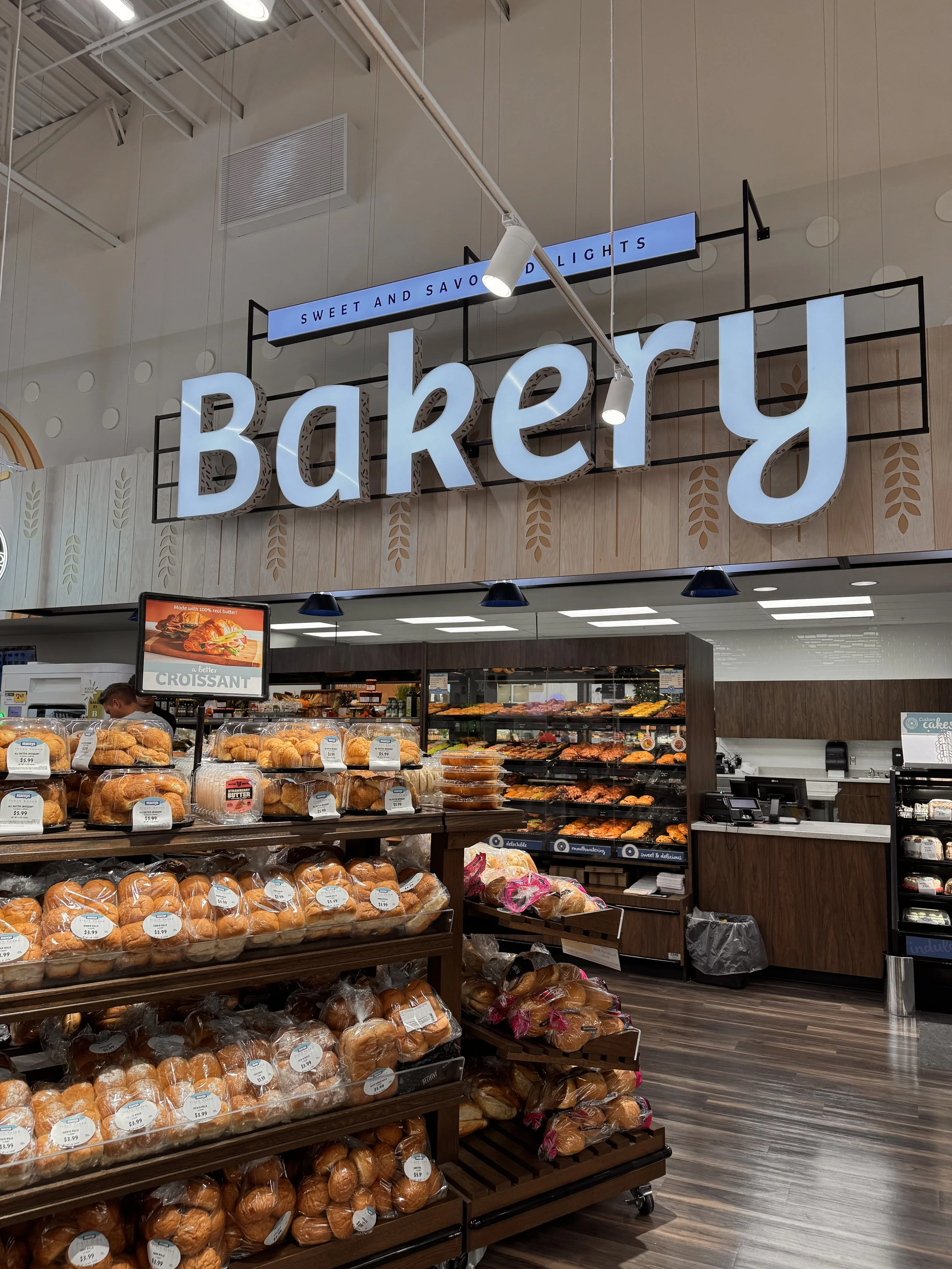
Decorworx works with organizations and retailers across the country, helping them design environments that people genuinely enjoy being in.
Most stores are built around efficiency—shelves, products, checkout lanes. They work well enough, but the experience itself is rarely designed with much intention.
Our work is about thinking beyond that.
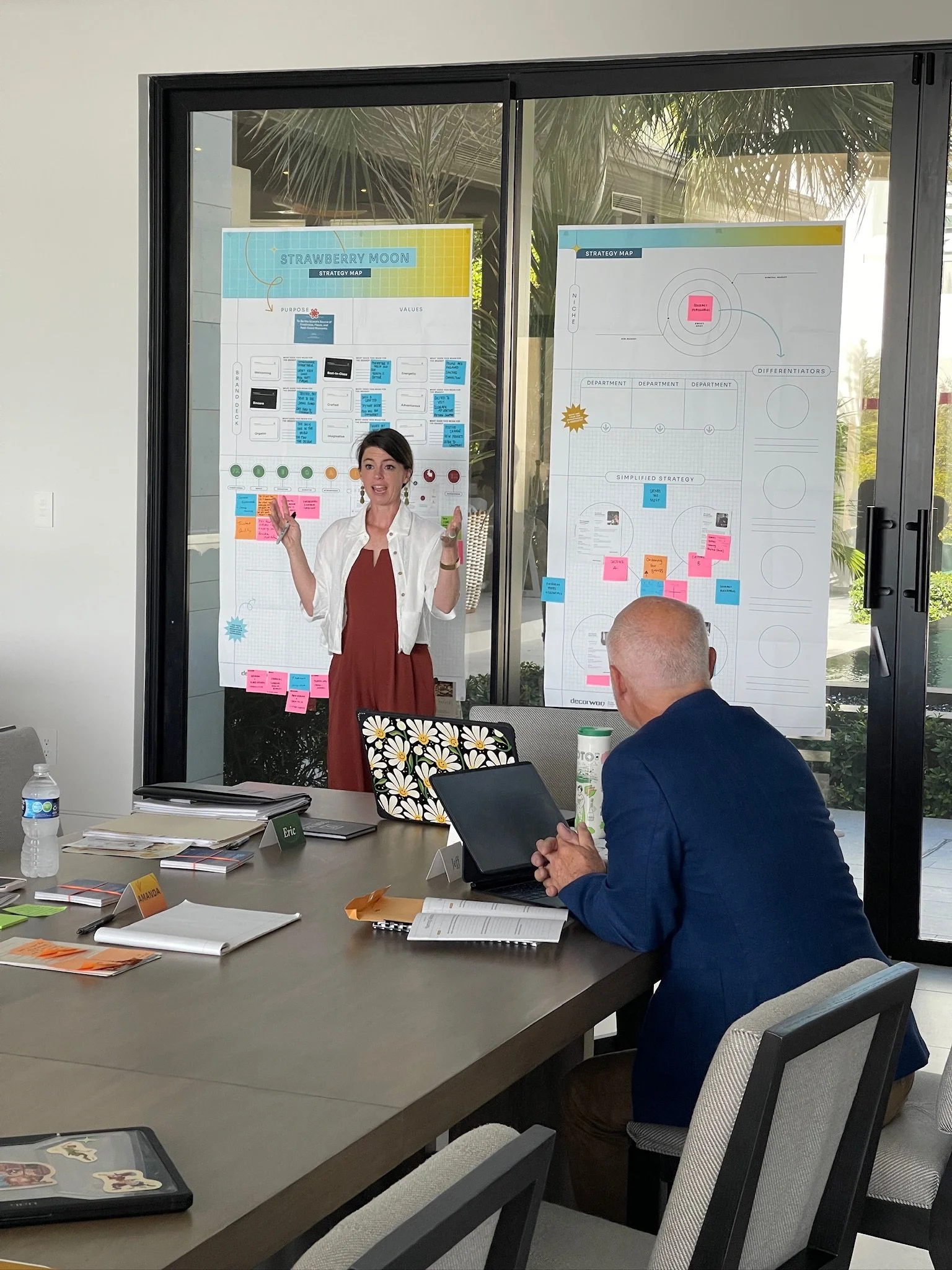
When we start working with a retailer, the conversation rarely begins with design. It usually begins with questions.
Who are you trying to serve?
What makes your store different from the big chains?
What do you want people to feel when they walk through the door?
Those questions often uncover something deeper.
I remember sitting with a grocery store owner who had been running his store for decades. When we asked what made his store special, he didn’t talk about pricing or promotions.
He talked about the local companies and farmers that kept the community going.
He talked about customers he had known since they were kids.
He talked about the way the store had grown alongside the community.
That conversation completely changed the direction of the design.
Instead of creating something that looked like every other grocery store, we built a place that celebrated those relationships—local farms, community stories, and the personality of the owner himself.
When the store rebranded, something subtle but powerful happened.
People felt it.
They stayed longer.
They brought visiting friends.
They talked about their store with pride.
Moments like that reveal something important.
Businesses don’t just sell products.
They create environments that shape everyday experiences.
Learning to see the world differently
Looking back, the seeds for this work started much earlier than I realized.
Growing up, school wasn’t always easy for me. Sports weren’t my thing, and academics didn’t come naturally.
But there was one thing that changed everything.
Photography.
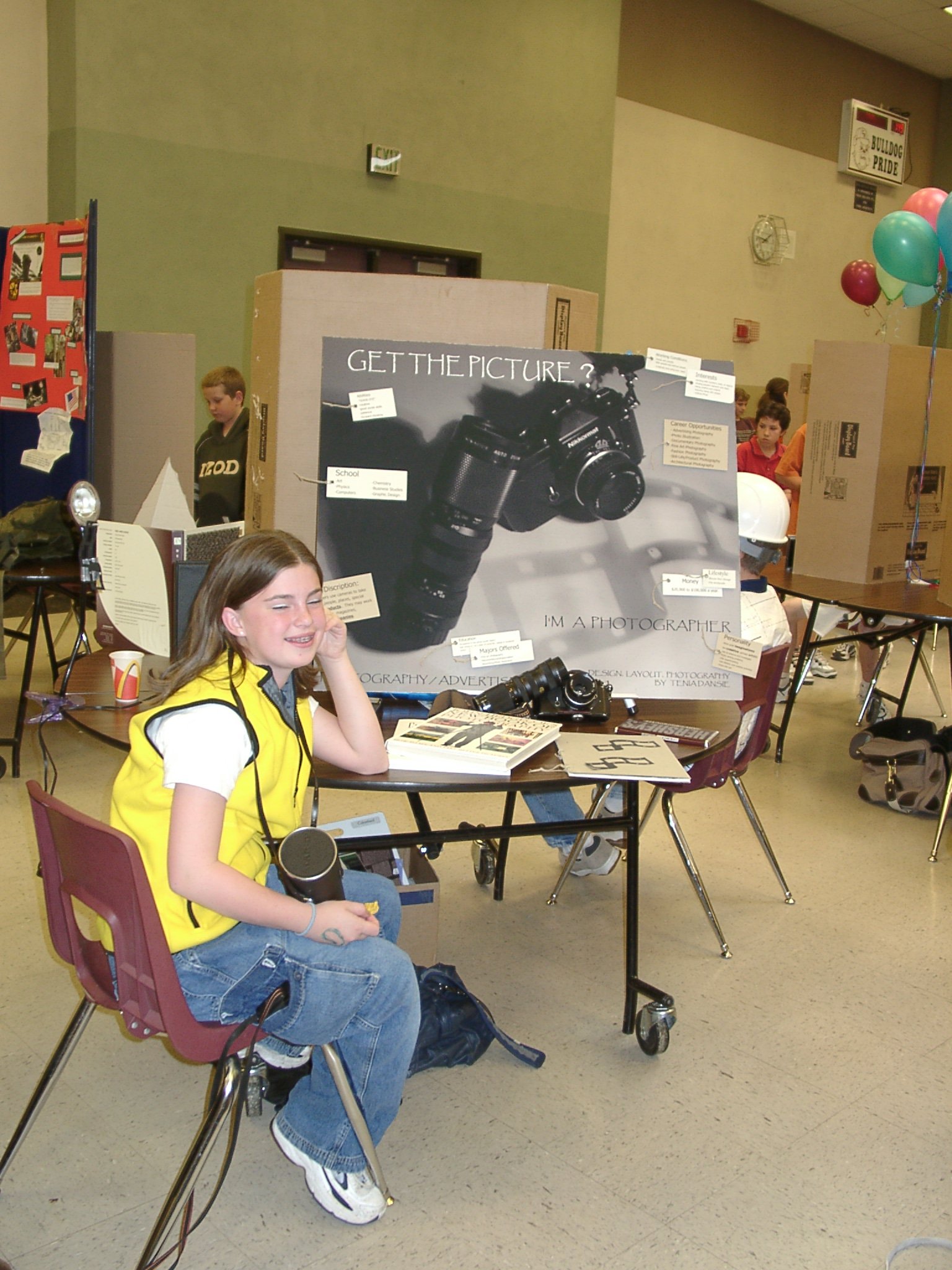
My parents started holding photography contests within our family. We would go places together and see who could take the most interesting photo.
At the time it just felt like a fun challenge.
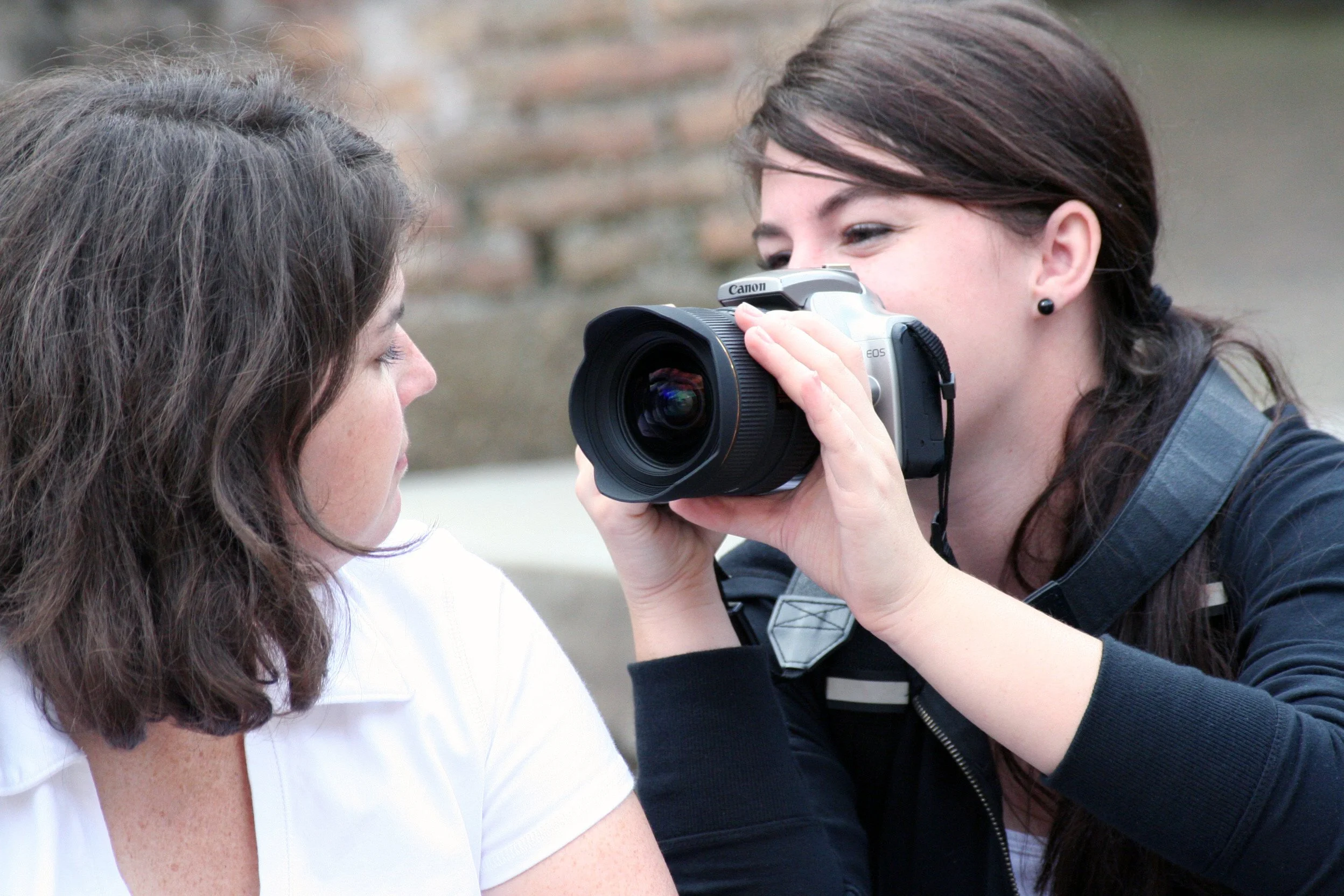
But something happened when I held a camera.
My mind slowed down.
Instead of rushing past things, I started noticing them—the way light hits a building, the texture of materials, the way objects line up inside a frame.
Photography didn’t just teach me how to take pictures.
It taught me how to pay attention.
Around the same time I developed another strange habit.
I started collecting packaging.
If I saw a beautifully designed label or box, I saved it. Typography, materials, colors—anything thoughtful caught my attention.
My room slowly filled with packaging I thought was interesting.
Looking back now, it was an early clue.
What fascinated me wasn’t the product.
It was how the design changed the way I felt about the product.
Some brands felt premium.
Some felt playful.
Some felt trustworthy.
Without realizing it, I had started noticing how design shapes experience.
The moment travel changed everything
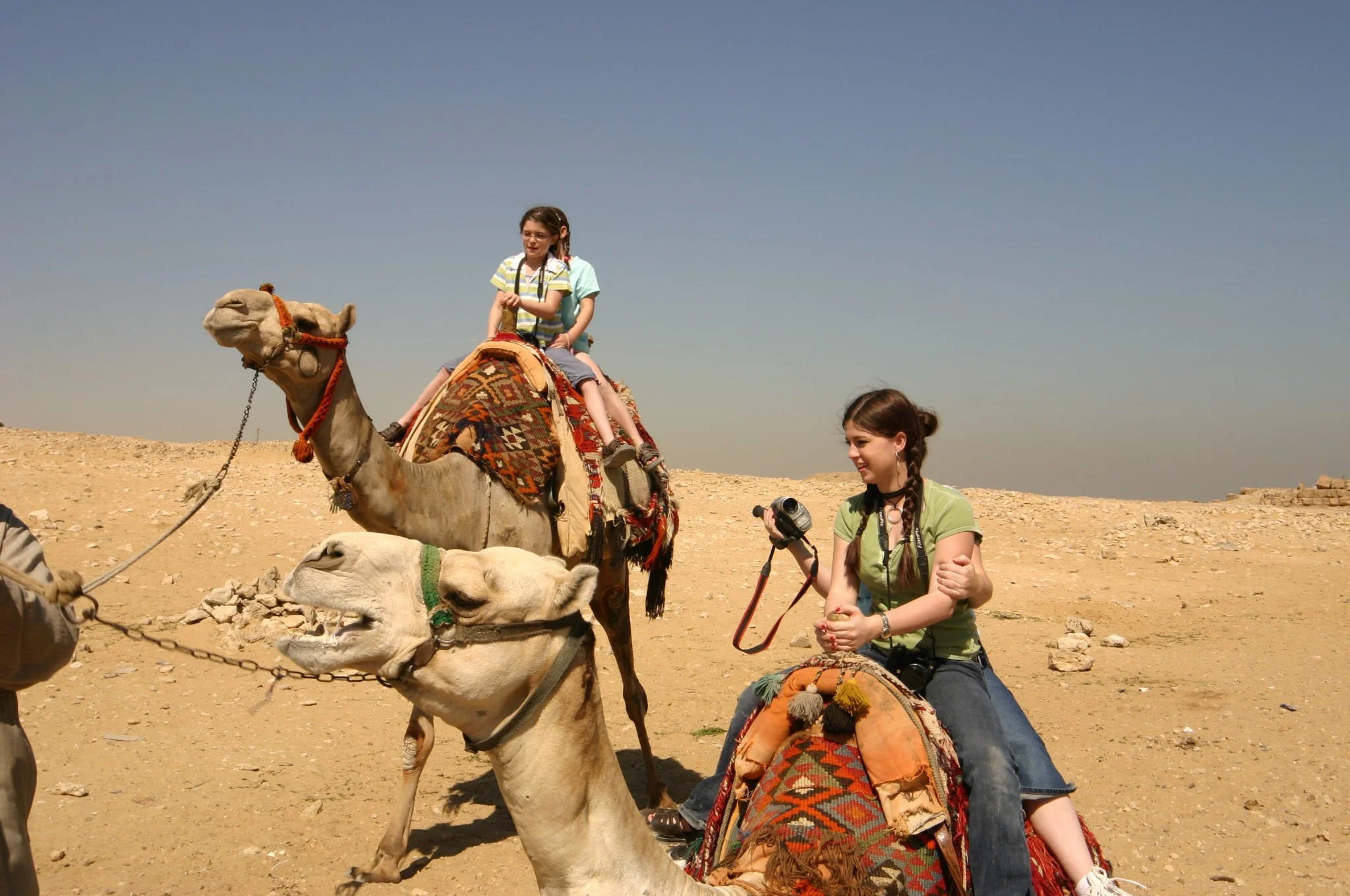
Years later, travel expanded that awareness in a completely new way.
When you start visiting different places around the world, you quickly notice something fascinating.
Every place has a different feeling.
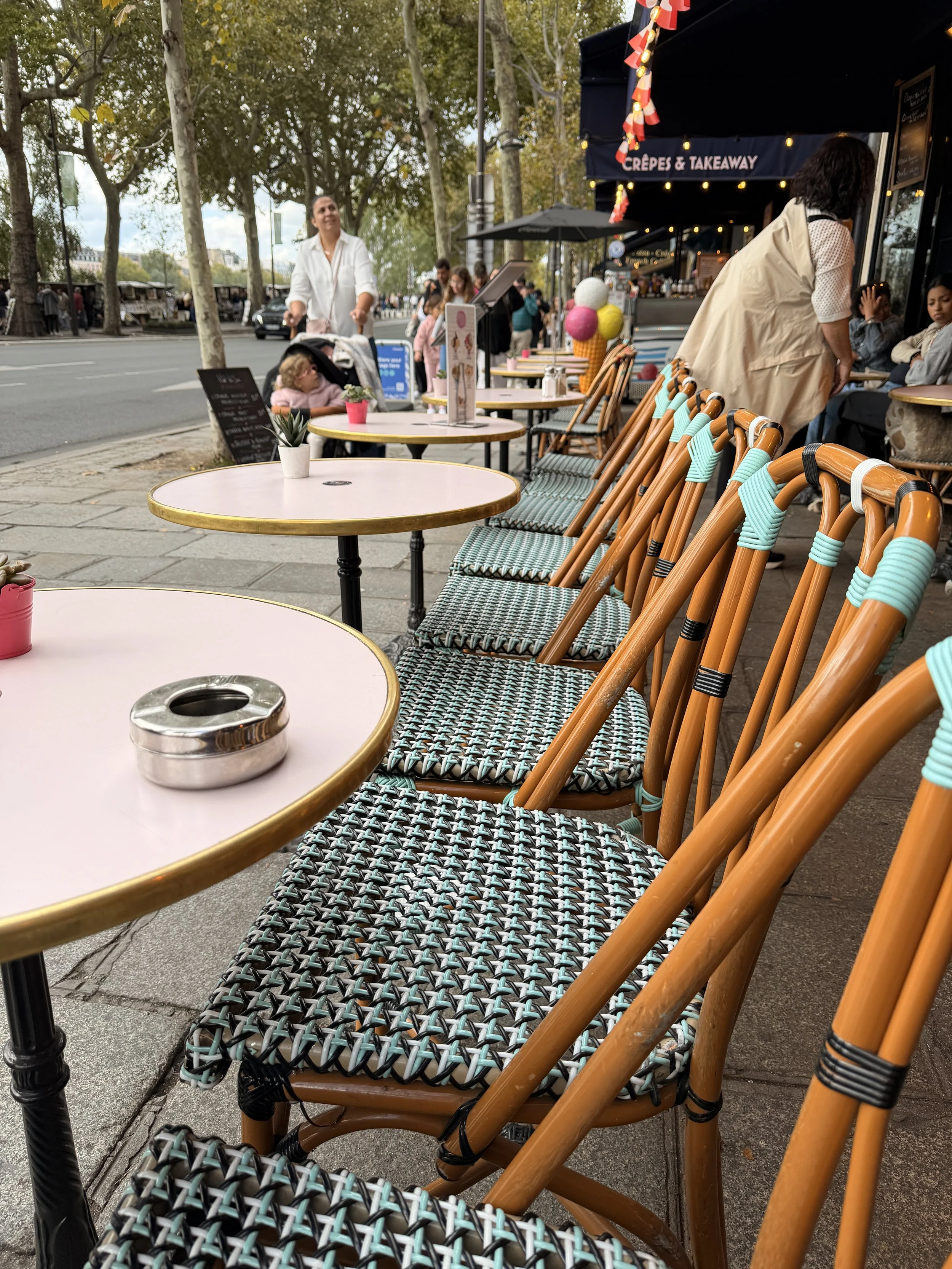
A café in Paris might feel warm and intimate.
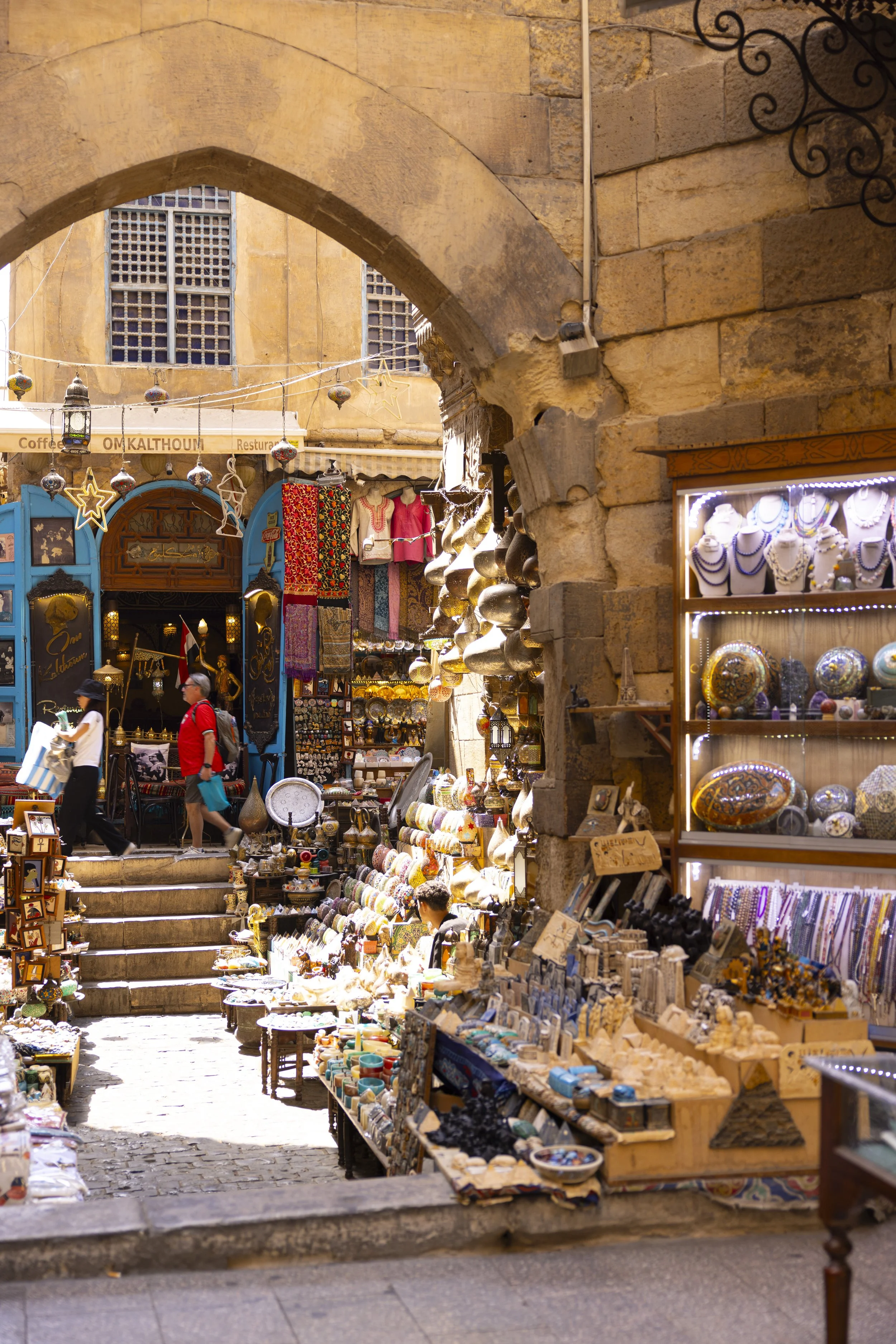
A night market in Egypt might feel electric with energy.
A small bakery in Italy might feel like it has been there for generations.
Often the buildings themselves aren’t extraordinary.
But the environment is.
Lighting, materials, sounds, smells, color, and movement all combine to create a feeling.
Once I started noticing that, it changed the way I thought about design.
Instead of thinking about individual pieces—signs, displays, décor—I began thinking about the entire environment.
How every element works together to create an experience.
That idea eventually became the foundation of my work.
Helping businesses design spaces that make people feel something the moment they walk through the door.
Seeing the world through markets
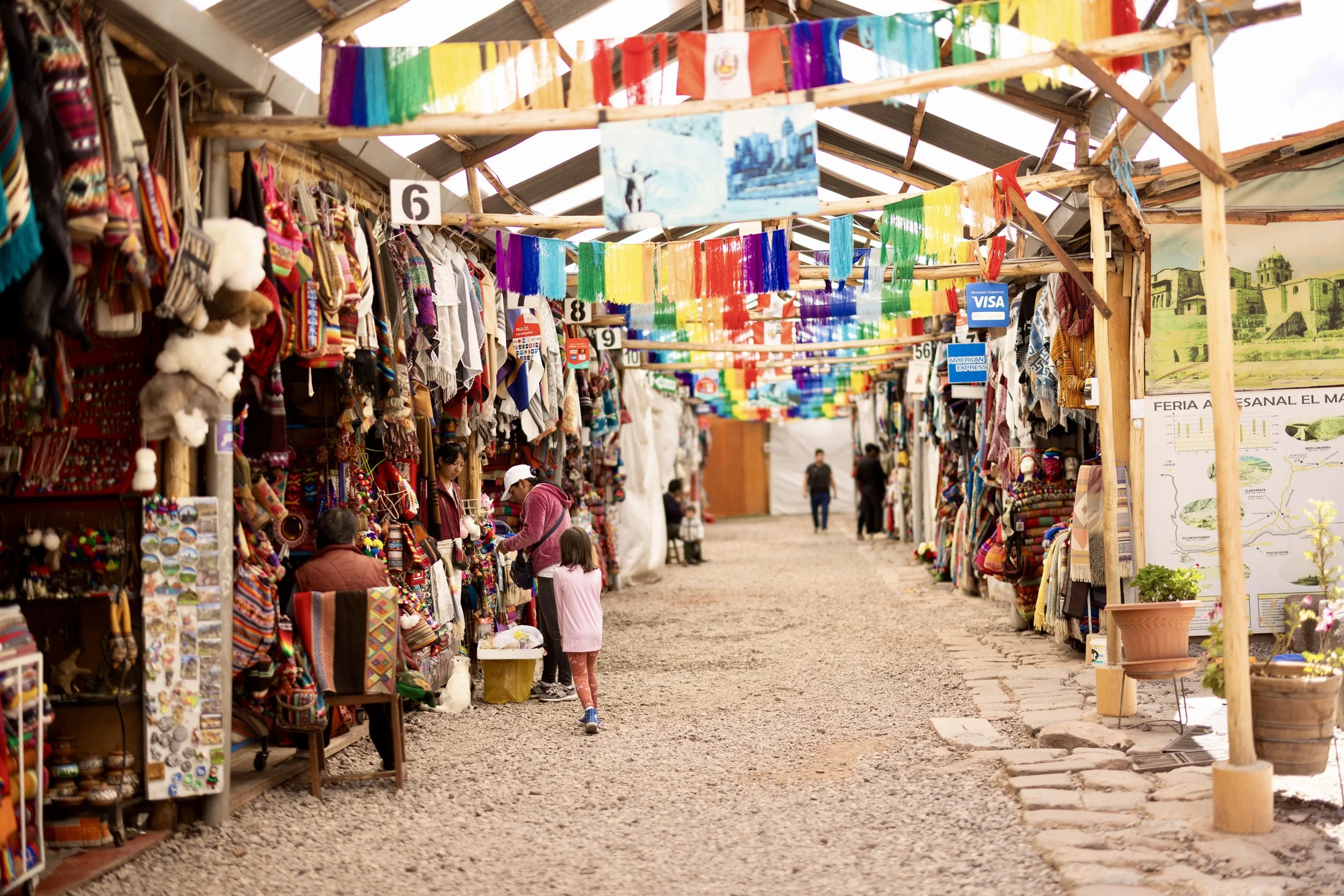
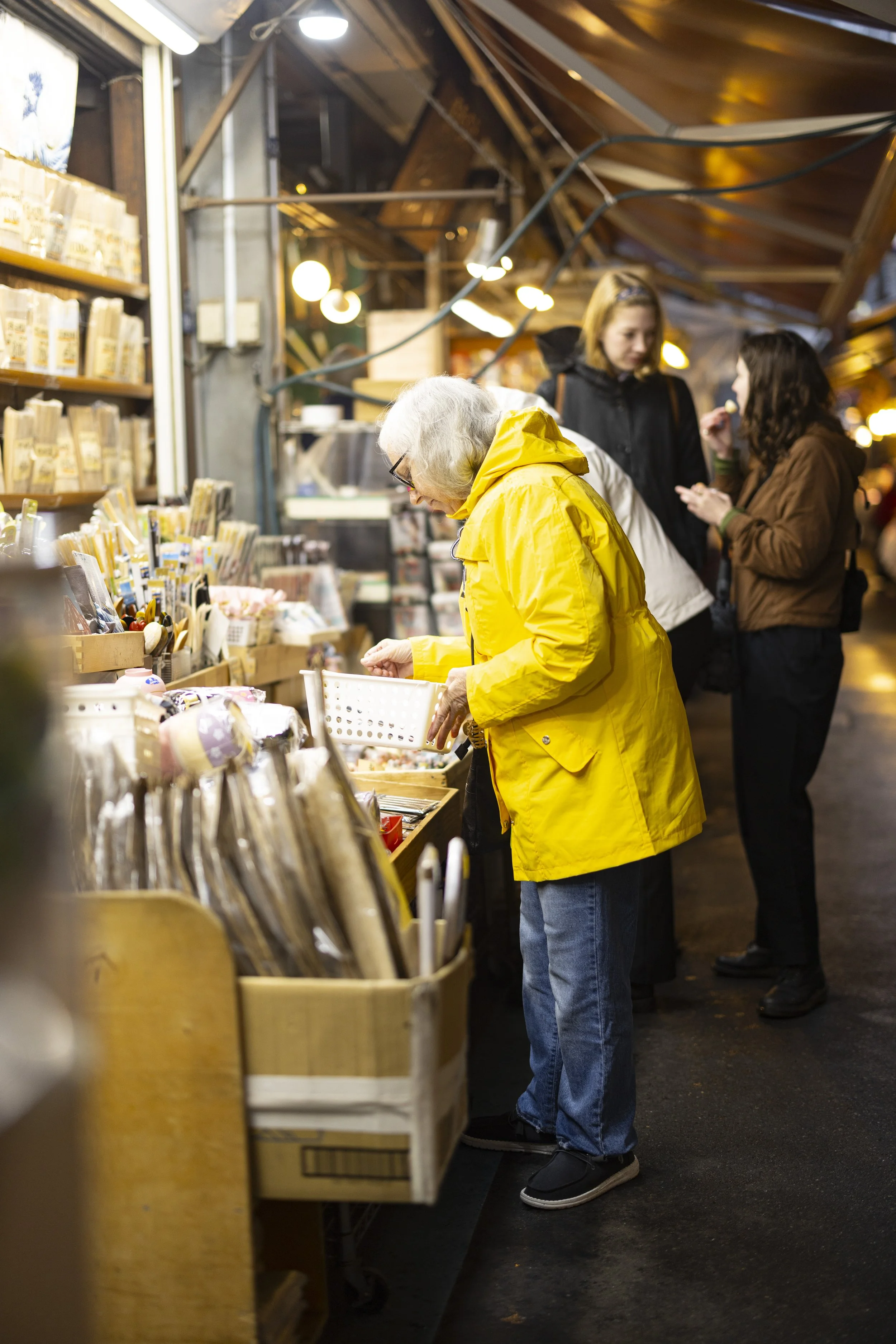
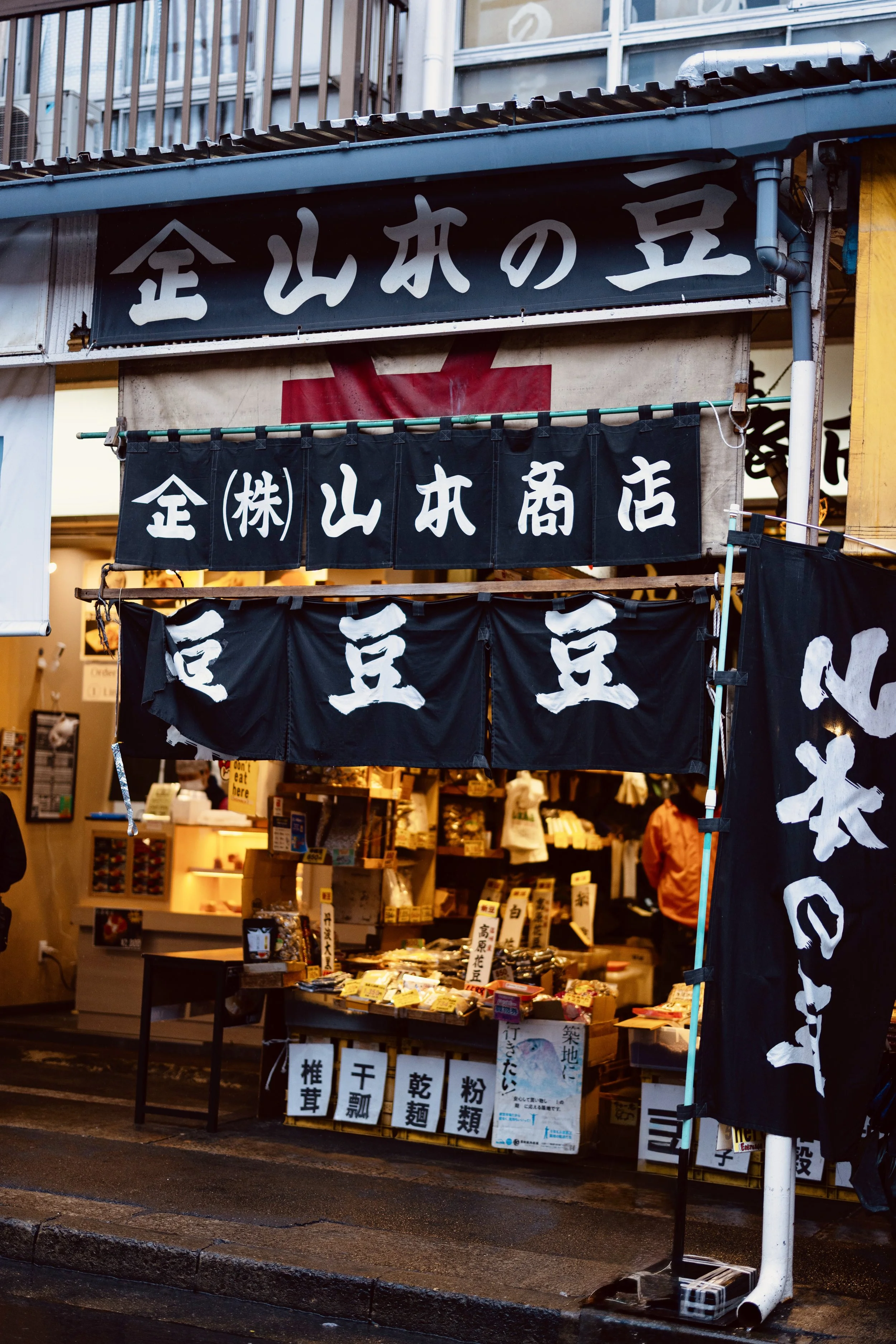
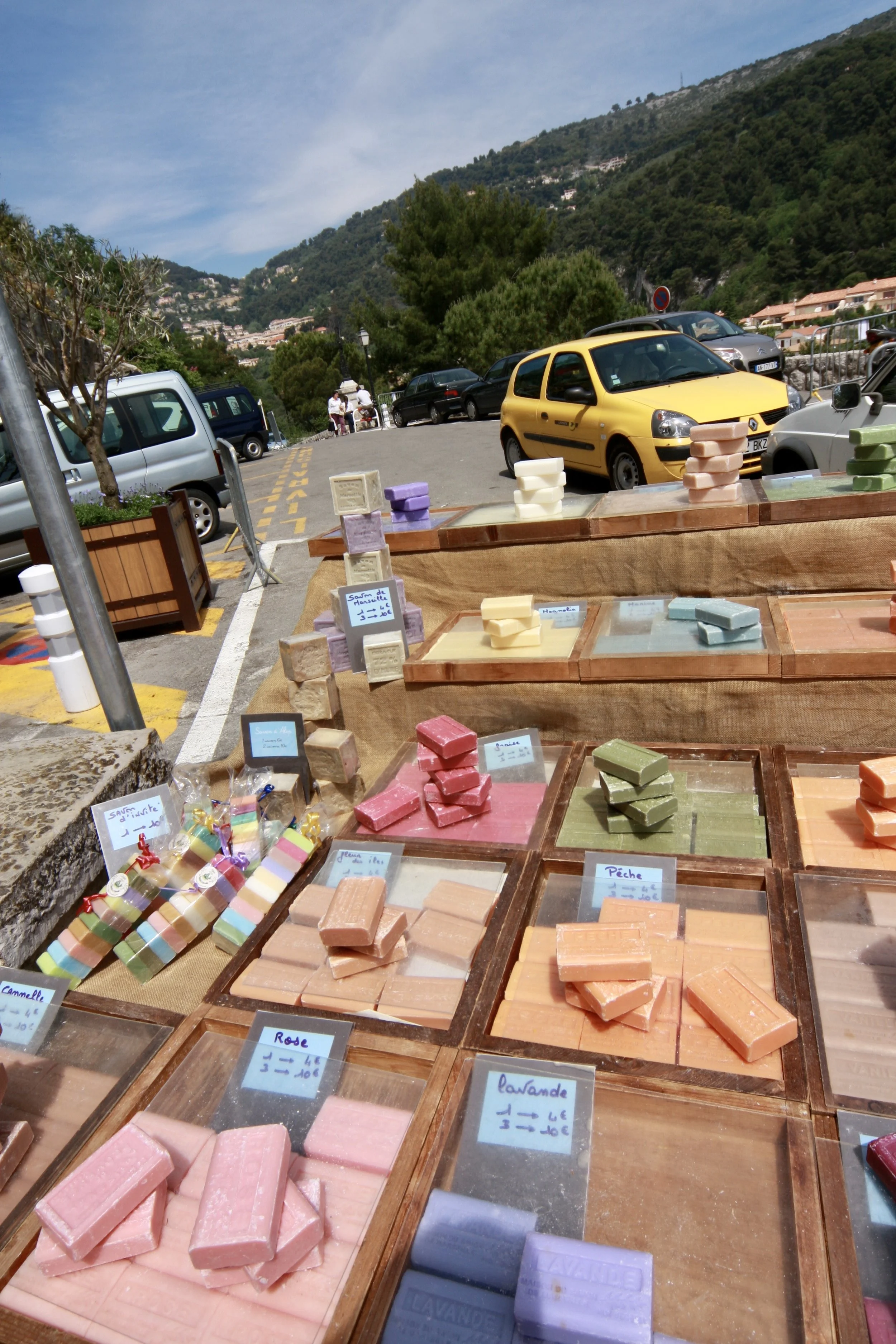
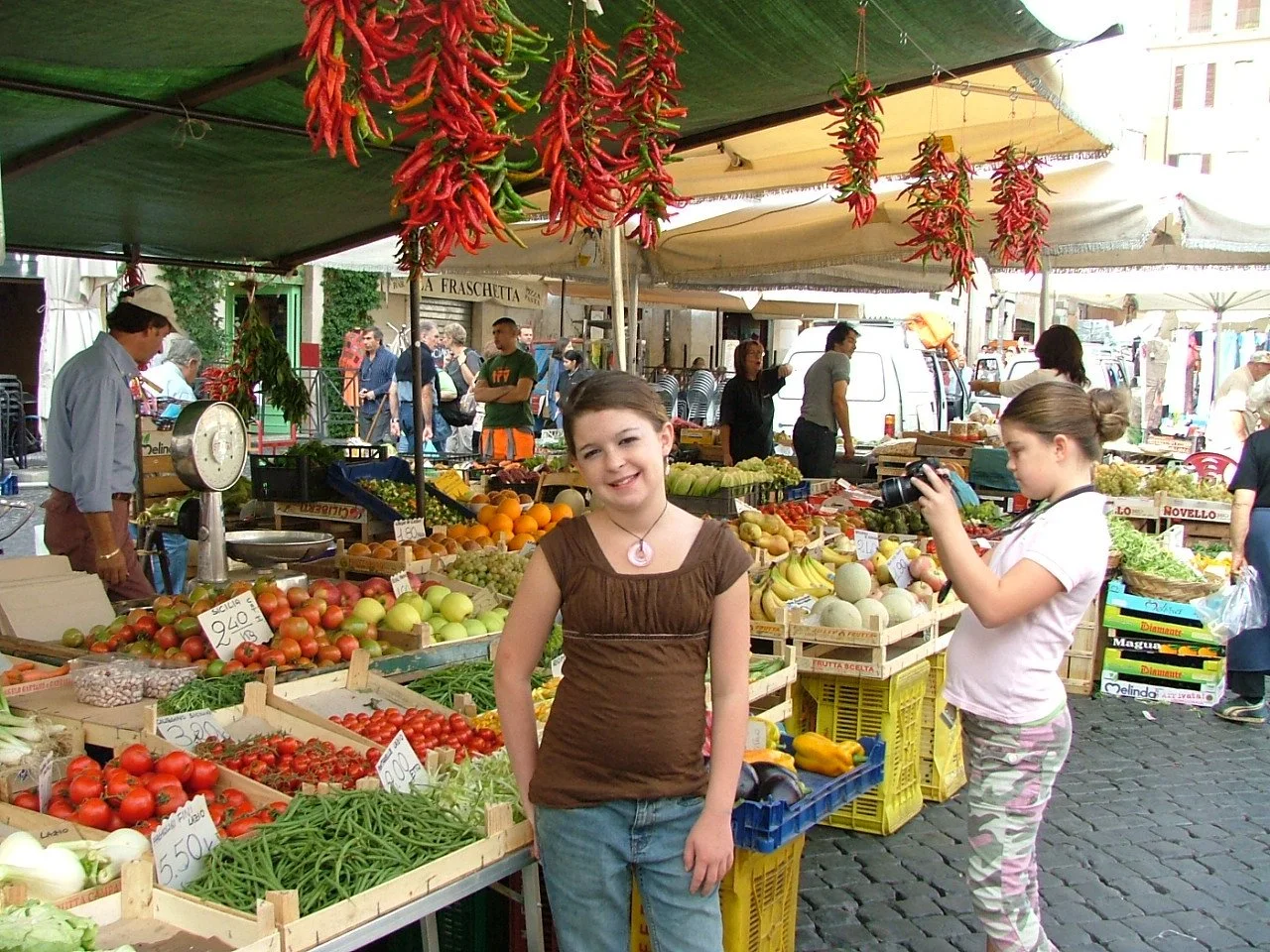
Some of the most interesting places to study are markets.
Markets reveal a culture in a way very few places can.
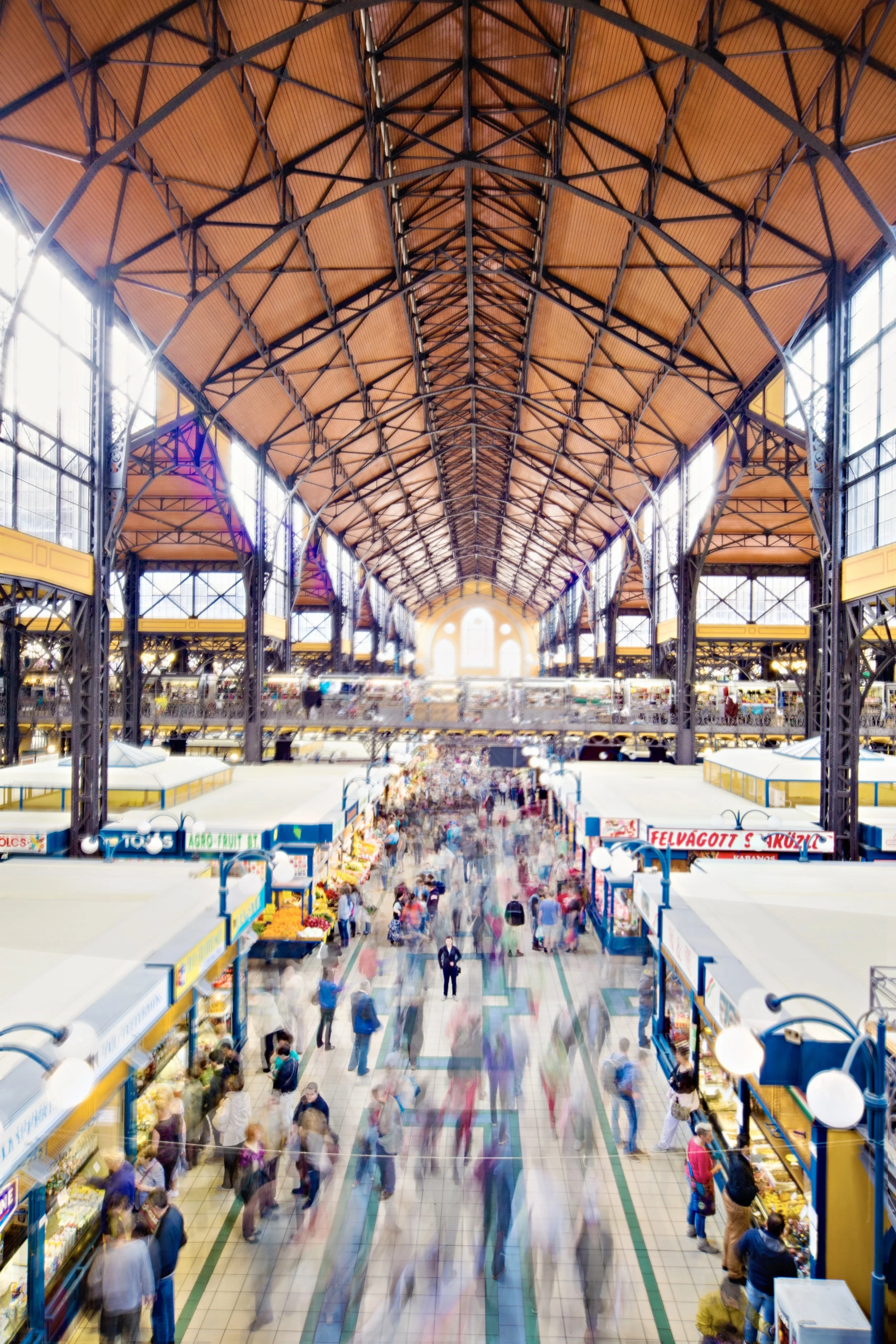
In a great market you see everything at once—what people eat, how they shop, how social the experience is.
Walking through night markets in Taiwan, the environment feels almost electric. Narrow rows of food stalls glow with light. Vendors call out to customers. The smell of grilled food drifts through the air.
The market isn’t just about buying food.
It’s about energy and interaction.
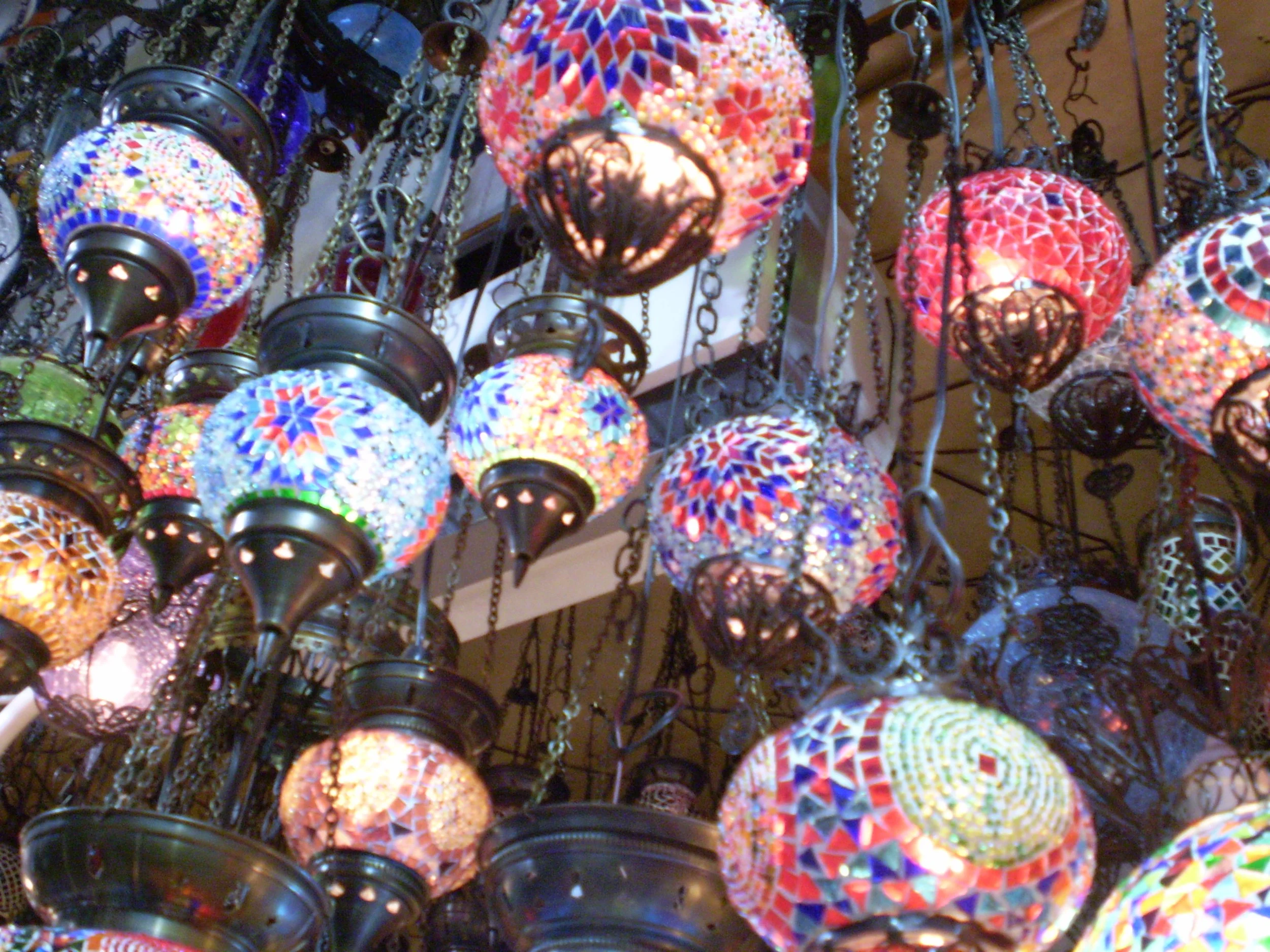
In Istanbul, spice markets explode with color—pyramids of saffron, paprika, and dried fruit stacked like art.
In small Italian food shops, even something as simple as bread is presented with a sense of pride and story.
Those environments feel alive.
And once you notice that, you start asking questions.
Why does this place feel vibrant?
What details are creating that energy?
Over time I realized something important.
Experiences rarely happen by accident.
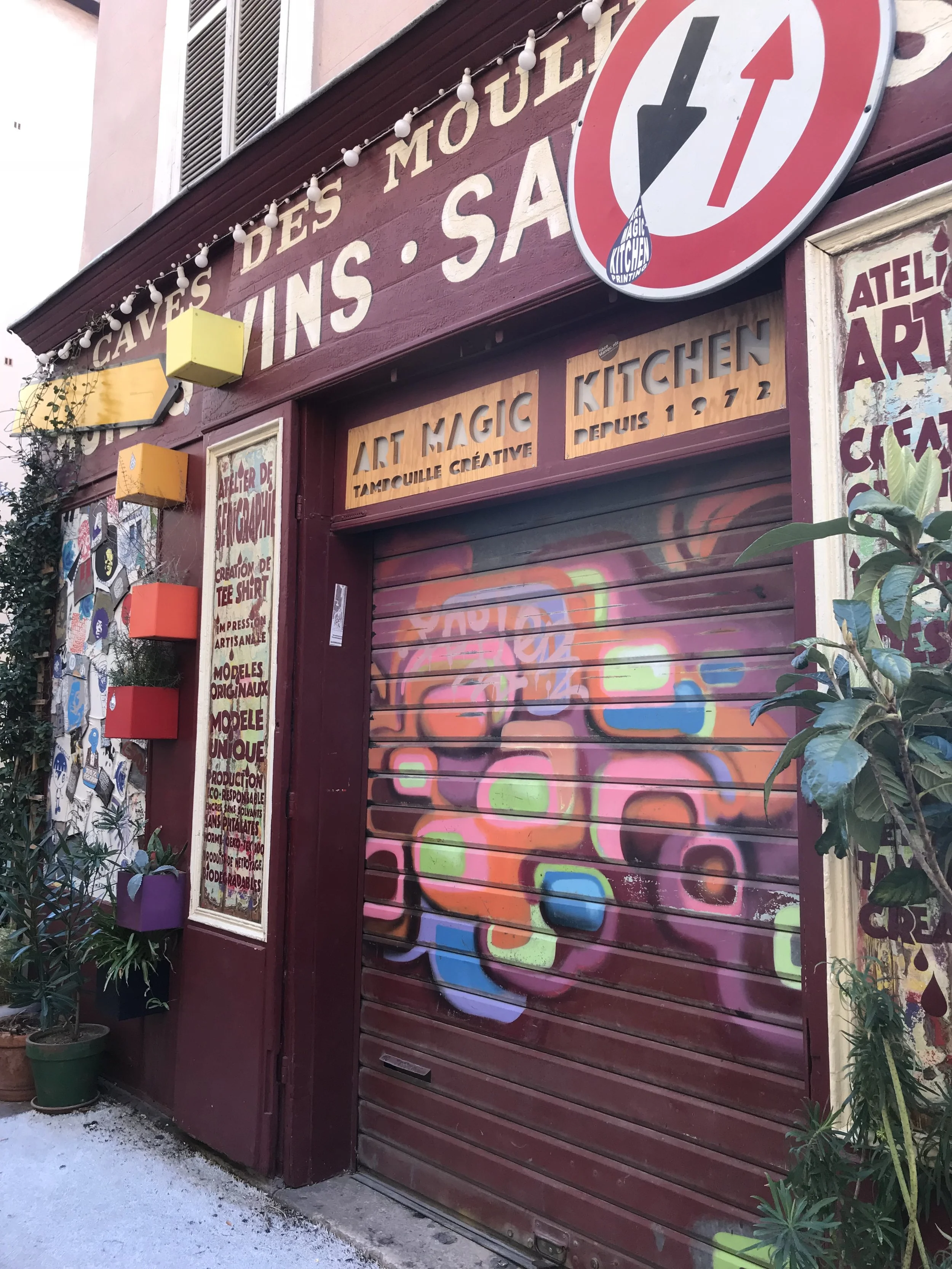
They are usually the result of thoughtful details layered together.
Why we travel so much
Some of our travel is very directly tied to work.
Running Decorworx means traveling across the United States to visit partners, walk through their stores, attend trade shows, and collaborate with organizations connected to independent retail.
But travel also plays another role.
Because our work is about designing environments and experiences, seeing how places function around the world constantly sharpens how I think.
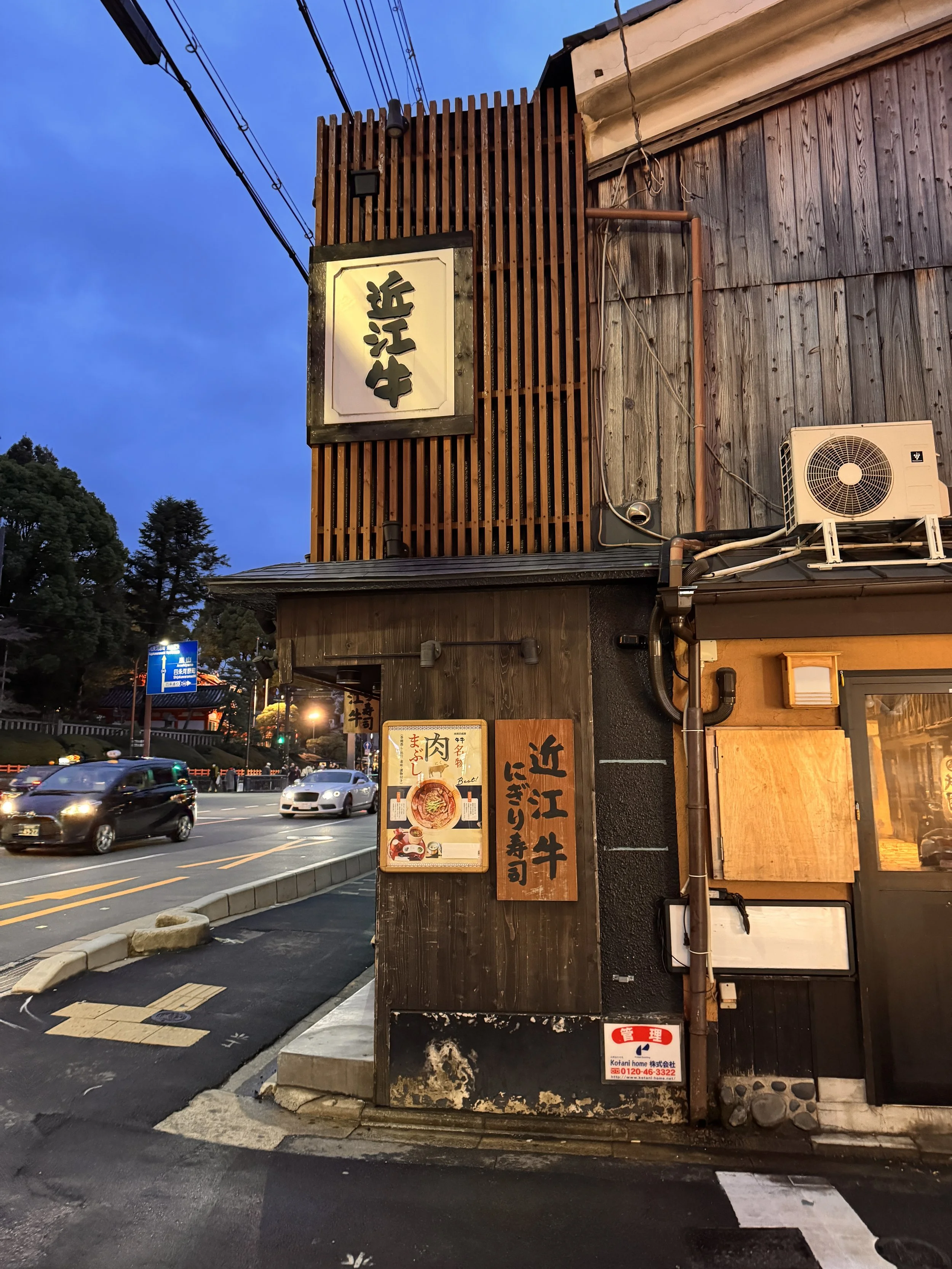
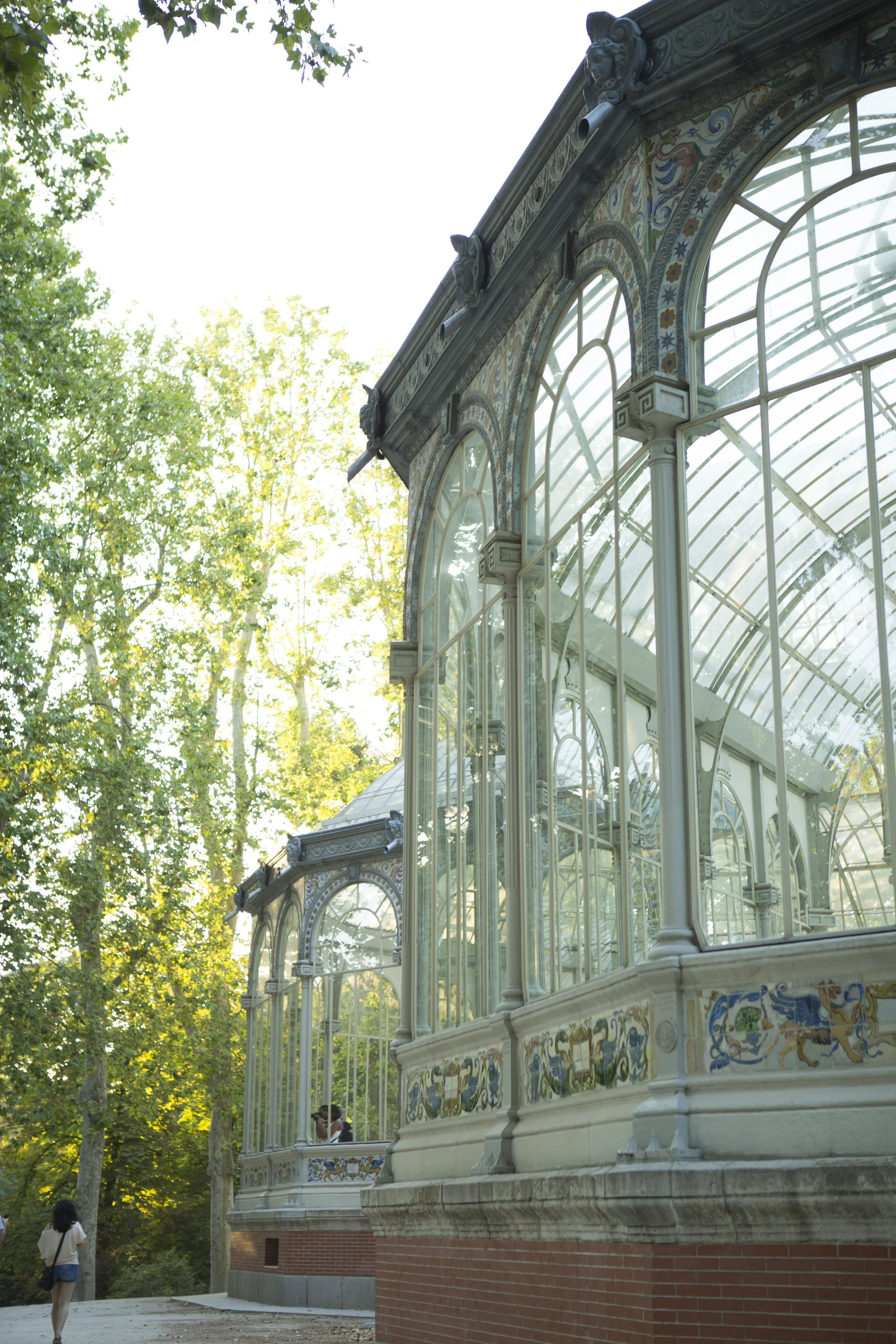
When I walk through a market in Barcelona, a food shop in Rome, or a meticulously organized store in Tokyo, I’m not just enjoying the place.
I’m studying it.
I notice how displays are arranged.
How lighting changes the mood.
How people move naturally through a space.
And when a place feels special, my mind immediately starts asking questions.
How does this work?
Why does this place feel alive?
What are the small details creating this experience?
Travel simply gives me more opportunities to observe those answers.
Inside of Tokyo’s Starbucks Roastery - how we document new spaces.
Why Stori exists
Eventually these experiences became too meaningful to keep to ourselves.
That’s where Stori came from.
Stori is our family’s way of documenting the places we explore and the lessons we discover along the way.
It’s also deeply personal.
Andrew and I decided early on that we wanted our daughters to grow up understanding that the world is bigger than the place they live.
Travel gives them the chance to experience different cultures, foods, landscapes, and ways people live.
When they walked through temples in Kyoto, history suddenly felt real.
When they saw elephants in South Africa, wildlife became something living and breathing instead of something in a book.
Those experiences shape how children see the world.
Travel has simply become part of how our family learns together.
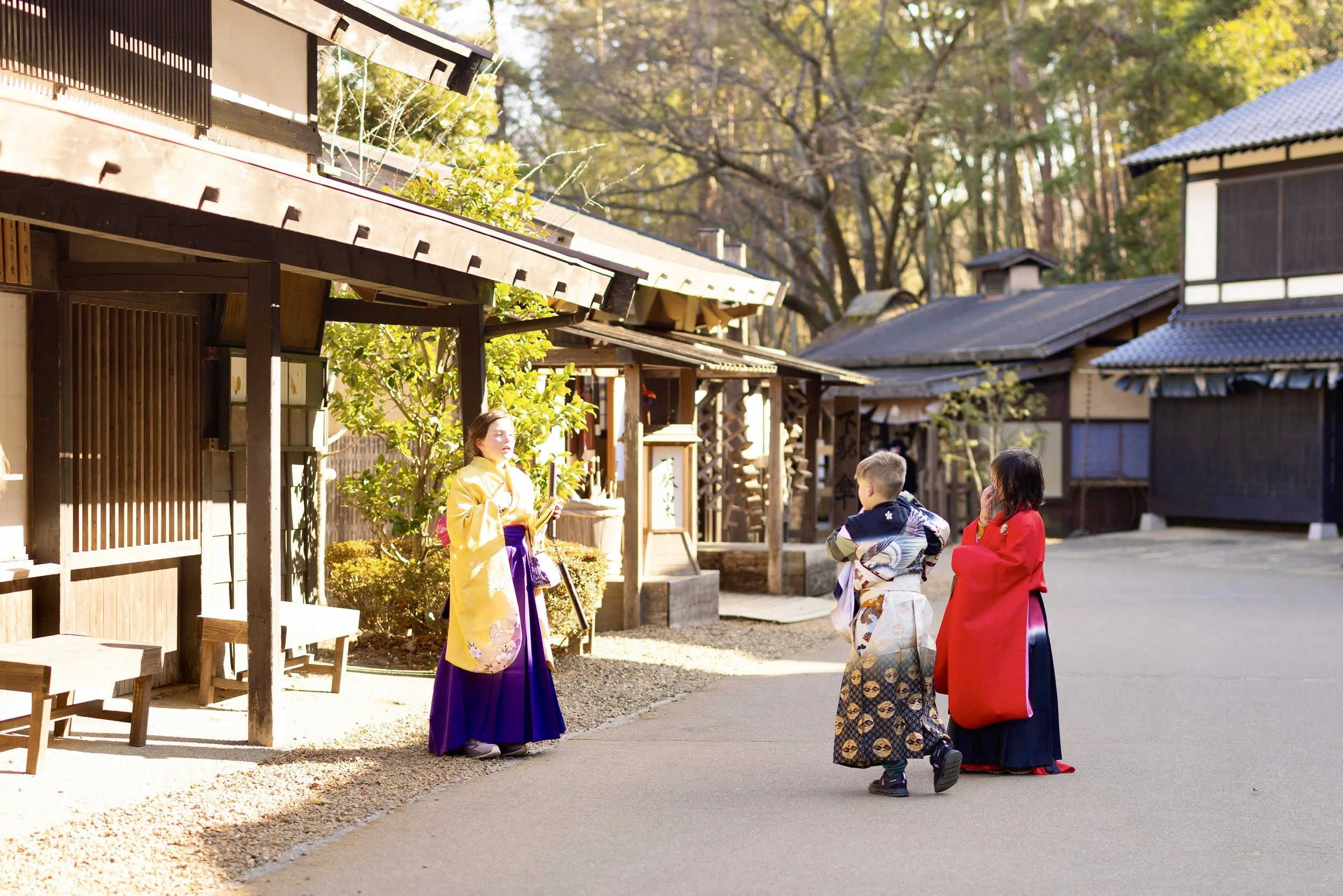
Nikko, Japan
The thread that connects everything
From the outside, running a design company, traveling around the world, studying environments, and writing travel stories might look like separate things.
But to me they’ve always been connected.
At the center of all of it is a question I’ve spent years exploring:
Why do certain places make people feel something?
Why does one store feel alive while another feels forgettable?
Why does one market invite people to linger while another feels empty?
Why do certain places stay in your memory long after you’ve left?
The longer I study environments, the more I realize something simple.
People remember how places make them feel.
And when businesses understand that, they stop thinking only about selling products.
They start thinking about the environments they create for people’s lives.
That shift can transform a business.
And sometimes it can even transform a community.
The real purpose
If you step back and look at everything—Decorworx, travel, studying environments, and Stori—it all connects to one goal.
Helping people experience the world more deeply.
Through the spaces they visit.
Through the stories they encounter.
Through the environments that shape everyday life.
Because environments are not just the backdrop of our lives.
They are part of our story.
And when they are designed with intention, they have the power to inspire, connect people, and create memories that last far longer than the moment itself.